Macrocomputing is proposed here as a conceptual counterpoint to microcomputing, not to be confused with software macros or computational abstraction, but to scale and material visibility of computing.
Microcomputers emerged from the 1970s, integrating CPU, RAM, ROM, and I/O within a single microprocessor-based system, rendering the computer operations abstracted from human perception. Whereas microcomputing describes compact, integrated systems in which computation is miniaturized and concealed within microprocessors, macrocomputing operates by enlarging and exposing the physical processes of computation.
This macroscopic view of computing was explored by Ralf Baecker’s Irrational Computing, where an electro-mineral module is described as a “primitive macroscopic signal processor.” In this framing, the display is no longer an opaque interface, with a “brute physical mechanism”, and computation becomes tangible rather than abstract.
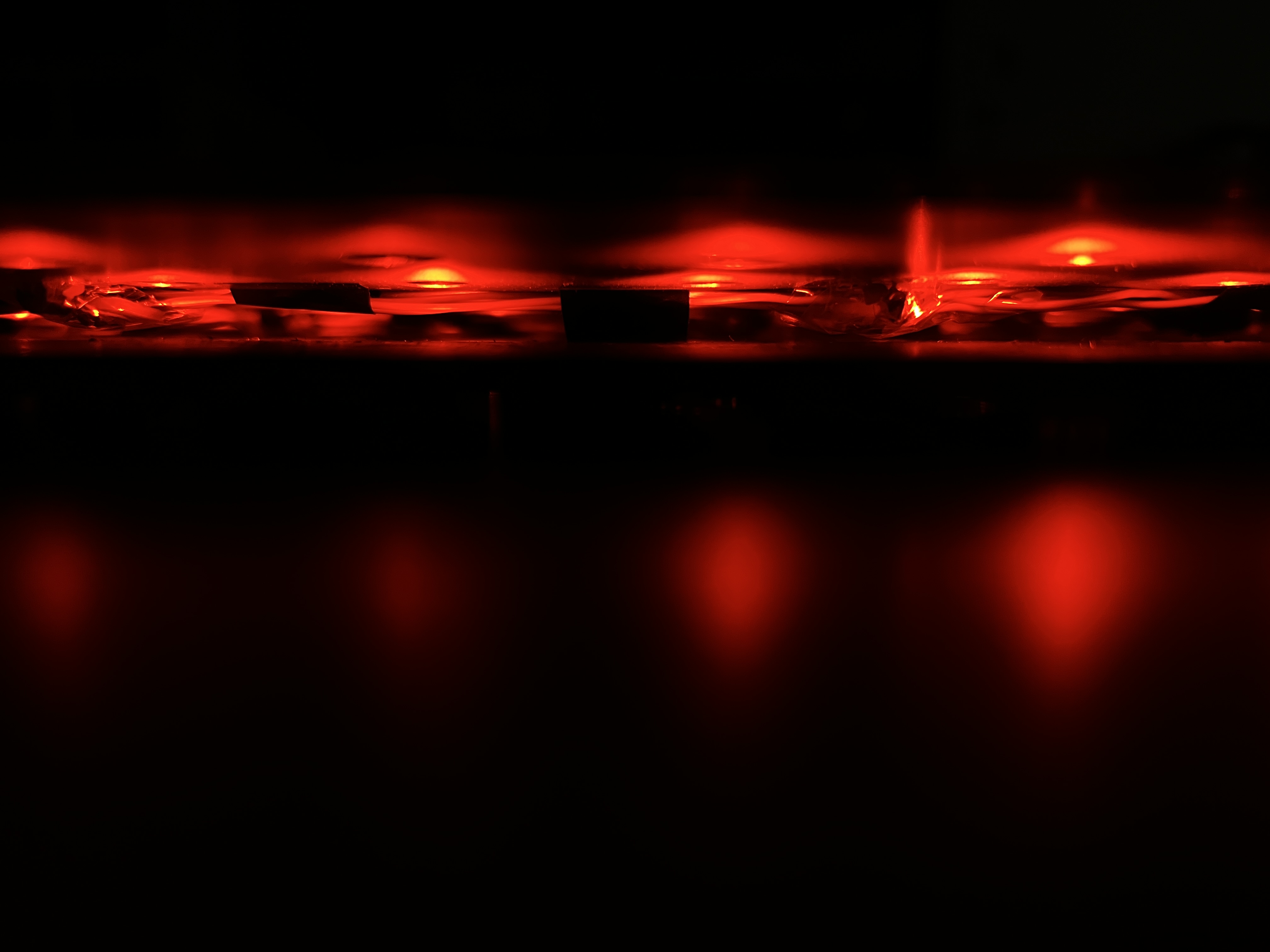
Heat Mapping Entropy similarly employs macrocomputing as a method of scale-shifting: it magnifies the microscopic functions of computation so that the electronic interactions underlying touch, heat, and entropy are no longer obfuscated. By enlarging and visualizing these processes, the work challenges the invisibility and presumed immateriality of contemporary computing systems.
Sources:
Whitelaw, M. (2013). Sheer Hardware: Material computing in the work of Martin Howse and Ralf Baecker. ANU Open Research (Australian National University), 10(2), 1–7.